
Feeling stuck in your job search because you don’t have a college degree? You’re not alone. Many talented individuals believe that remote work is reserved for those with a diploma, but that myth is quickly fading. This article is your ultimate guide to where to find remote job opportunities with no degree, proving that your skills, experience, and drive are what truly matter. Let’s unlock the door to a flexible career that values what you can do, not just what a piece of paper says.
Why Your Degree Doesn’t Define Your Remote Career Anymore
In today’s fast-paced digital world, the landscape of work is changing. Companies are realizing that a four-year degree doesn’t always translate to real-world skills. This shift has opened up a world of possibilities for talented individuals from all educational backgrounds.
The rise of skills-based hiring means employers are prioritizing what you can do over your academic history. They need problem-solvers, creative thinkers, and self-starters—qualities that aren’t exclusively taught in a lecture hall. For remote roles, traits like self-discipline, strong communication, and tech-savviness are far more valuable than a traditional degree. This new focus on practical ability is your golden ticket to a thriving remote career.
The Best Places to Find Remote Jobs Without a Degree
Knowing where to look is half the battle. Your search for remote work without a degree shouldn’t be a frustrating scroll through endless requirements you don’t meet. Instead, focus your energy on platforms and communities that value skills first. Here’s a breakdown of the best places to start your search.
General Remote Job Boards (with a Smart Filter Strategy)
These are the giants of the job search world. The key is to use their advanced search filters to your advantage.
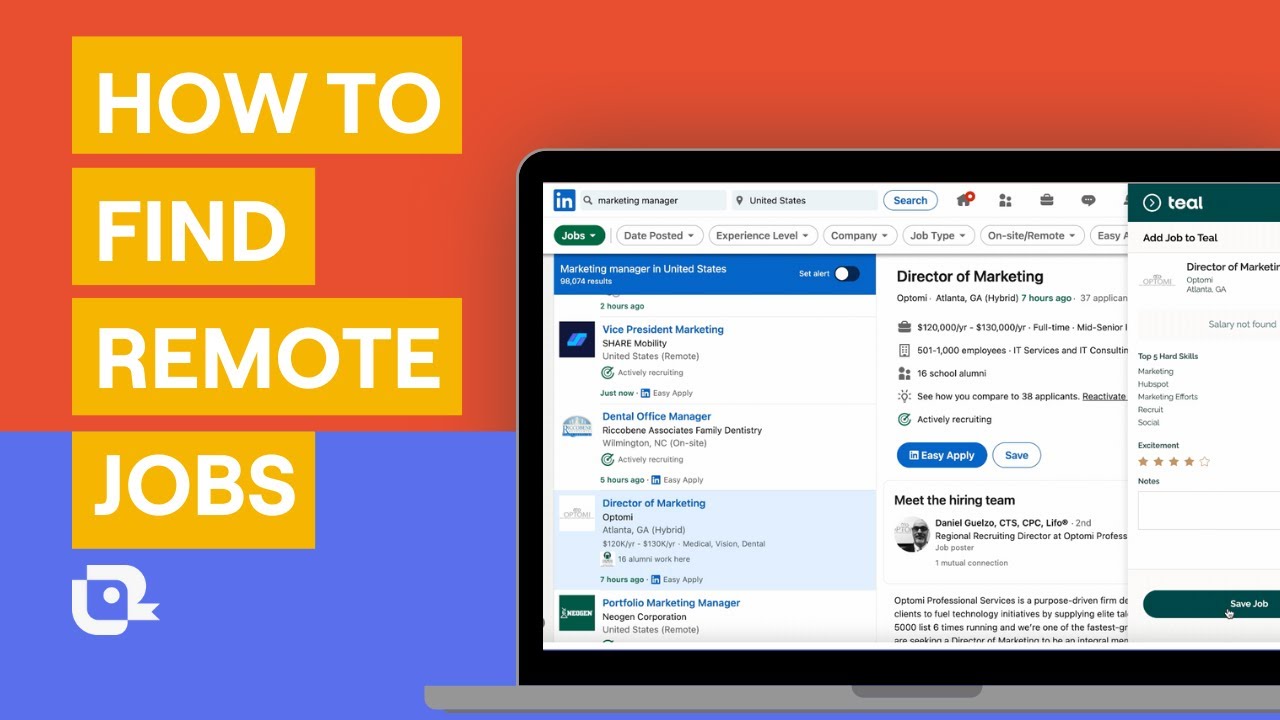
- LinkedIn: More than just a networking site, LinkedIn has a powerful job board. Use keywords like "remote," "work from home," and your desired role. Crucially, many listings don’t make a degree a "hard" requirement, even if it’s listed. Focus on the "Skills" section of the job description.
- Indeed: One of the largest job aggregators. You can use filters to search specifically for remote positions. Try searching for job titles that are typically skill-based, like "Customer Service Representative" or "Social Media Assistant," and add "remote" to your query.
- Glassdoor: Similar to Indeed, Glassdoor allows you to filter by location, including "Remote." It also provides valuable company reviews, which can give you insight into a company’s culture and whether they truly support remote employees.
Niche Job Boards for No-Degree Roles
These platforms are specifically designed for remote work, and many of them cater to a skills-first audience.
- We Work Remotely: One of the most respected remote job boards. It features high-quality listings from companies that are remote-first, meaning they understand how to manage a distributed team.
- FlexJobs: A subscription-based service that vets every single job posting to ensure it’s legitimate and flexible. They have specific categories for entry-level and no-degree-required roles, saving you time and protecting you from scams.
- SkipTheDrive: This site compiles remote and work-from-home job opportunities from various sources. Its simple interface makes it easy to browse for roles in fields like data entry, transcription, and customer support.
Freelance and Gig Platforms
If you want to be your own boss, freelance platforms are the perfect place to start. Your portfolio and client reviews are what matter here, not a degree.
- Upwork: A massive marketplace for freelancers in every field imaginable, from writing and graphic design to virtual assistance and web development. You build a profile, showcase your portfolio, and bid on projects.
- Fiverr: Perfect for starting out. You create "gigs"—specific services you offer for a set price (starting at $5). This is a great way to build experience, gather testimonials, and create a portfolio.
- Toptal: For the top 3% of freelance talent. While it’s highly competitive, Toptal is entirely skills-based. If you are an expert in your field (like software development or finance), their rigorous screening process can land you high-paying projects with top companies.
Online Communities and Social Media
Sometimes the best opportunities are found through networking and community.
- Reddit: Subreddits like r/forhire, r/workonline, and r/HireaWriter are active communities where companies and individuals post job offers. It’s a more direct and less formal way to find work.
- Facebook Groups: Search for groups related to "remote work," "digital nomads," or your specific skill (e.g., "Virtual Assistant Savvies"). You’ll find job postings and a supportive community to answer your questions.
- Slack Channels: Many industries have dedicated Slack communities where members share job openings. Find one relevant to your field and become an active, helpful member.
High-Demand Remote Roles That Don’t Require a Degree
Not sure what kind of job to look for? Many high-growth remote fields are desperate for skilled, reliable people, regardless of their educational background. This is a core part of our ultimate guide to where to find remote job opportunities with no degree.
Here are some of the most popular and accessible roles:
- Customer Support Representative: You are the friendly, helpful voice of a company. All you need is excellent communication skills, empathy, and patience.
- Virtual Assistant (VA): The modern-day administrative professional. VAs handle tasks like email management, scheduling, social media updates, and data entry for clients.
- Social Media Manager: If you know your way around Instagram, TikTok, and Facebook, you can help businesses build their online presence.
- Content Writer or Copywriter: Great with words? Companies always need blog posts, website copy, and marketing emails. A strong portfolio is all the proof you need.
- Data Entry Clerk: This role requires attention to detail and accuracy. You’ll be entering and updating information in databases and computer systems.
- Quality Assurance (QA) Tester: You get to test software, websites, and apps to find bugs and glitches before they reach the public. It’s a great entry point into the tech industry.
- Graphic Designer: With skills in tools like Canva or the Adobe Suite, you can create logos, social media graphics, and marketing materials for clients around the world.
Your Step-by-Step Action Plan to Land a Remote Job Without a Degree
Finding the job is just the first step. Here’s how to position yourself for success.
- Identify and Build Your In-Demand Skills: Look at job descriptions for roles that interest you. What skills are repeatedly mentioned? Use free or affordable platforms like Coursera, HubSpot Academy, Google Digital Garage, and YouTube to learn them. A certificate from a reputable online course can be just as valuable as a degree.
- Create a Skills-First Resume and Portfolio: Place your "Skills" section at the very top of your resume, right under your contact information. Use bullet points to describe projects you’ve completed and the results you achieved. For creative or technical roles, a portfolio is non-negotiable. Create a simple website or use a platform like Behance or GitHub to showcase your best work.
- Optimize Your Online Presence: Make sure your LinkedIn profile is 100% complete. Use a professional headshot, write a compelling headline that describes what you do (e.g., "Customer Support Specialist | Helping Brands Build Loyalty"), and ask for recommendations from past colleagues or clients.
- Network Strategically: Connect with people who work at companies you admire. Don’t just ask for a job. Instead, ask for advice, comment thoughtfully on their posts, and build a genuine relationship. People are more likely to help someone they know and trust.
Common Mistakes to Avoid in Your Search
Navigating the job market can be tricky. Here are a few common pitfalls to sidestep.
- Relying Only on Your Resume: A great resume is essential, but a tailored cover letter explaining why you are the perfect fit for the role and the company culture can make all the difference.
- Ignoring Soft Skills: Remote work requires immense self-discipline, proactive communication, and time management. Highlight these skills in your applications and interviews.
- Applying for Everything: The "spray and pray" method rarely works. It’s better to send 10 highly customized applications than 100 generic ones. Quality over quantity is key.
- Falling for Scams: Be wary of job offers that seem too good to be true. Red flags include vague job descriptions, requests for payment for training or equipment, and interviews conducted solely through text chat.
Expert Tips to Stand Out from the Crowd
Want to get ahead of the competition? Try these pro-level strategies.
- Get Niche-Specific Certifications: Instead of a broad degree, get certified in a specific, in-demand tool or skill. A Google Analytics certification, a HubSpot Content Marketing certification, or an AWS Cloud Practitioner certification can immediately signal your expertise.
- Volunteer or Do a Small Project for a Discount: Don’t have professional experience? Offer to manage the social media for a local non-profit or build a simple website for a friend’s small business. This gives you a real-world project for your portfolio and a glowing testimonial.
- Master the Art of the Cold Pitch: If you’re freelancing, don’t wait for jobs to be posted. Identify companies you’d love to work with, find a problem you can solve for them, and send a concise, professional email pitching your services.
Final Thoughts: Your Remote Career Awaits
The belief that you need a degree to build a successful remote career is outdated. Today, companies are looking for skilled, motivated, and adaptable individuals who can deliver results. Your path to a flexible, fulfilling career is paved with your abilities, your passion, and your persistence.
Use this ultimate guide to where to find remote job opportunities with no degree as your roadmap. Focus on building practical skills, create a portfolio that speaks for itself, and confidently show the world what you can do. Your dream remote job is out there waiting for you—go get it.