
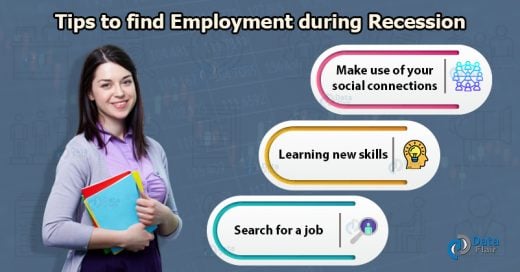
Navigating the job market during an economic downturn can feel like sailing in a storm. The headlines are grim, competition is fierce, and uncertainty looms large. But what if there was a simpler, more effective way to find your next role? This guide is designed to give you just that: a clear, easy method for finding a job during a recession for professionals. It’s not about working harder; it’s about working smarter, focusing your energy where it counts, and confidently steering your career toward a safe harbor.
What Is the Easy Method for Finding a Job During a Recession for Professionals?
Let’s be clear: "easy" doesn’t mean effortless. Instead, this method is about streamlining your approach to eliminate wasted time and emotional drain. The easy method for finding a job during a recession for professionals is a strategic framework built on three core pillars: laser-focused targeting, powerful personal branding, and proactive networking.
Instead of the "spray and pray" tactic of sending out hundreds of generic applications, this strategy involves identifying a small, curated list of potential employers. You then tailor your entire approach—from your resume to your outreach—to solve their specific problems. It’s a quality-over-quantity mindset that puts you back in control of your job search, even when the economy feels unpredictable.
This focused approach helps you stand out in a crowded field. While others are just another resume in a digital pile, you become a recognized name—a professional who has done their homework and genuinely wants to contribute to a specific company’s success.
Why This Simple Job Search Strategy Matters During a Downturn
During a recession, companies become incredibly risk-averse. Every hire is scrutinized, and they are looking for candidates who can deliver immediate value. A generic application that simply lists your past duties is unlikely to capture the attention of a stressed-out hiring manager. This is why a streamlined job search process for professionals is not just helpful—it’s essential.
A targeted strategy directly addresses the psychology of recession-era hiring. By focusing on specific companies and roles, you can frame your skills and experience as the perfect solution to their current challenges, whether that’s cutting costs, retaining customers, or driving efficiency. This positions you as a low-risk, high-reward candidate.
Furthermore, this method protects your most valuable assets: your time and your mental well-being. Sending out endless applications with little to no response is demoralizing. A focused approach yields better results, provides a sense of progress, and helps you maintain the resilience needed to navigate a tough job market.
A Step-by-Step Guide to the Easy Method for Finding a Job During a Recession for Professionals
Ready to put this strategy into action? Follow these five steps to transform your job hunt from a stressful marathon into a series of calculated, confident moves.
Step 1: Build Your Foundation with a Self-Assessment
Before you start looking outward, you need to look inward. A clear understanding of your value is the bedrock of a successful job search.
- Identify Your Core Strengths: Go beyond your job title. What are you exceptionally good at? Are you a great communicator, a natural problem-solver, or a data-driven strategist? Make a list of your top five strengths.
- Pinpoint Your Transferable Skills: Think about skills that are valuable across different industries. Project management, data analysis, client relations, and digital marketing are all highly transferable.
- Define Your Non-Negotiables: What do you need in your next role? Consider company culture, work-life balance, salary, and opportunities for growth. Being clear on this helps you filter out opportunities that aren’t a good fit.
Step 2: Create a Targeted Company List
This is where you shift from a passive job seeker to a proactive career strategist. Instead of browsing job boards aimlessly, you will build a list of potential employers.
- Research Recession-Proof Industries: Some sectors are more resilient during economic downturns. These often include healthcare, technology (especially SaaS and cybersecurity), consumer staples, and government services.
- Create a "Dream Company" List: Identify 15-20 companies that align with your skills, values, and career goals. These are the organizations you will focus all your energy on. Use LinkedIn, industry news, and company "About Us" pages to do your research.
Step 3: Optimize Your Professional Brand
Your resume and LinkedIn profile are your marketing tools. In a recession, they need to be sharp, compelling, and tailored to your target audience.
- Refresh Your Resume for a Targeted Audience: For each company on your list, customize your resume. Use keywords from their job descriptions. Frame your accomplishments using the "Problem-Action-Result" format. For example, instead of "Managed social media," try "Increased social media engagement by 40% by implementing a new content strategy that addressed declining customer interaction."
- Craft a Compelling LinkedIn Profile: Your LinkedIn headline should be more than just your job title. It should be a value proposition. For example, "Project Manager | Driving Efficiency and Delivering Complex Tech Projects On Time and Under Budget."
- Develop Your "Elevator Pitch": Prepare a 30-second summary of who you are, what you do, and what you’re looking for. This will be invaluable for networking events and informational interviews.
Step 4: Leverage the Power of Proactive Networking
Over 70% of jobs are never publicly advertised. They are filled through referrals and internal connections—the "hidden job market." Networking is your key to unlocking it.
- Move Beyond "Cold" Applications: For the companies on your target list, find people to connect with. Use LinkedIn to find alumni from your university, former colleagues, or individuals in roles you admire.
- Conduct Informational Interviews: Reach out to contacts for a brief, 15-minute chat. Don’t ask for a job. Instead, ask for advice. Say something like, "I’m exploring opportunities in the SaaS industry and was really impressed by your career path. Would you be open to a brief chat to share your insights?" This is a low-pressure way to build relationships and gain valuable information.
Step 5: Upskill and Stay Relevant
A recession is a perfect time to invest in yourself. Demonstrating a commitment to learning shows potential employers that you are adaptable and forward-thinking.
- Identify Skill Gaps: Look at job descriptions for your target roles. What skills or certifications are consistently mentioned that you don’t have?
- Utilize Online Courses: Platforms like Coursera, LinkedIn Learning, and edX offer affordable (or free) courses to learn new skills, from data analytics to digital marketing. A new certification can give your resume a significant boost.
Common Mistakes to Avoid When Job Hunting in a Recession
Even with the best strategy, it’s easy to fall into common traps. Here are a few mistakes to avoid for a more effective way for professionals to find work in a recession.
- The "Apply to Everything" Approach: This is the number one mistake. It burns you out, floods your inbox with rejections, and prevents you from focusing on opportunities where you have a real chance. Stick to your target list.
- Neglecting Your Network: Many people feel awkward reaching out to their network when they need something. Reframe it. You are seeking advice and connection, not just a job. Most people are happy to help.
- A Generic, One-Size-Fits-All Resume: Hiring managers can spot a generic resume from a mile away. It shows a lack of genuine interest. Customization is non-negotiable in a competitive market.
- Ignoring Your Mental Health: Job searching during a downturn is stressful. Schedule breaks, practice mindfulness, exercise, and connect with supportive friends and family. Your well-being is crucial for long-term success.
Expert Tips to Master Your Recession Job Search
Want to take your job search to the next level? Here are a few pro tips from career coaches.
Think Like a Problem-Solver
Companies hire to solve problems. In your applications and interviews, clearly articulate how your skills can solve their specific pain points. In a recession, these problems often revolve around saving money, increasing revenue, or improving efficiency. Frame your experience accordingly.
Explore the "Hidden Job Market"
Remember that many roles are filled before they are ever posted online. Your networking efforts, especially informational interviews, are your gateway to this hidden market. People hire people they know and trust. Your goal is to become one of those people.
Consider Contract or Freelance Work
Don’t overlook temporary or contract roles. They can be a fantastic way to get your foot in the door at a target company, gain new skills, and earn an income while you search for a full-time position. Many contract roles can also convert to permanent positions.
Real-Life Example: Sarah’s Strategic Job Search
Sarah, a senior marketing professional, was laid off when her company downsized. Initially, she spent weeks applying for dozens of jobs online with no success. Frustrated, she decided to try a more focused approach.
She identified 15 tech companies in the stable B2B SaaS sector that she admired. She completely revamped her LinkedIn profile and resume to highlight her experience in lead generation and customer retention—key needs for SaaS companies in a downturn.
Instead of applying cold, she found three former colleagues who now worked at her target companies. She reached out for a casual chat, which led to two internal referrals. Within five weeks, she had two interviews and landed a fantastic new role. Her story is a perfect example of how a targeted strategy can deliver powerful results.
Final Thoughts on Your Job Search During an Economic Downturn
Finding a job during a recession is a challenge, but it is far from impossible. By adopting an easy method for finding a job during a recession for professionals, you can replace anxiety with a clear, actionable plan. It’s about focusing your efforts, communicating your value with precision, and building genuine connections.
Remember, you are a skilled professional with valuable experience to offer. This economic phase is temporary, but the strategic skills you build during this job search will serve you for the rest of your career. Take control of the process, stay resilient, and move forward with the confidence that your ideal role is within reach.