
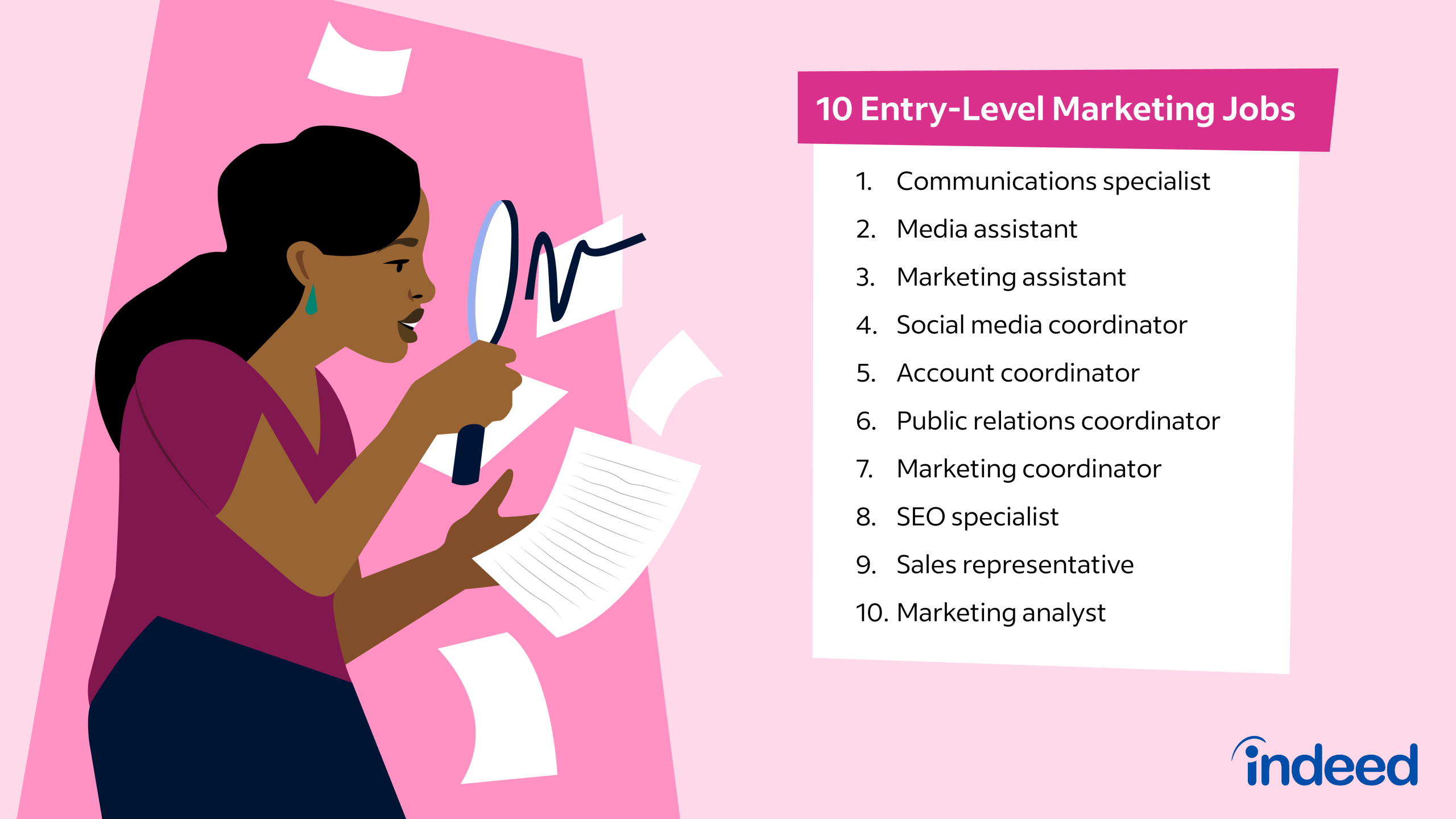
So, you dream of a career in marketing but feel stuck because you lack experience? Don’t worry, you’re not alone! Many aspiring marketers find themselves in the same boat. This guide will provide you with the best tips for finding marketing jobs without experience for beginners, helping you navigate the job market and land your first role. We’ll explore various strategies, from building your skills to crafting a compelling resume, ultimately equipping you with the tools you need to succeed. Let’s dive in!
Breaking into Marketing: Understanding the Landscape
Before we delve into specific tactics, let’s understand the current marketing landscape. The marketing world is vast and diverse, encompassing everything from social media management to content creation, email marketing, SEO, and paid advertising. While some roles require years of experience, many entry-level positions and internships are available, providing excellent opportunities for beginners. These roles often value enthusiasm, a willingness to learn, and a basic understanding of marketing principles.
Why Finding Marketing Jobs Without Prior Experience is Possible (and How to Make it Happen)
It might seem daunting, but breaking into marketing without experience is absolutely achievable. Companies are always looking for fresh talent, especially individuals who are eager to learn and contribute. The key is to demonstrate your potential and passion for the field. Here’s how to turn that potential into a reality:
Step-by-Step Guide to Landing Your First Marketing Job
This section provides practical steps and strategies to increase your chances of securing a marketing role:
-
Skill Up:
- Online Courses: Take advantage of free or affordable online courses on platforms like Coursera, Udemy, and Google Skillshop. Focus on essential areas such as:
- Social Media Marketing: Learn the ins and outs of platforms like Facebook, Instagram, Twitter, and TikTok.
- Content Marketing: Understand content creation, blogging, and storytelling.
- SEO (Search Engine Optimization): Grasp the fundamentals of keyword research, on-page optimization, and link building.
- Email Marketing: Learn about email campaigns, list management, and analytics.
- Digital Advertising (PPC): Get familiar with platforms like Google Ads and Facebook Ads.
- Certifications: Consider obtaining certifications in areas like Google Analytics, HubSpot Inbound Marketing, or Facebook Blueprint. These certifications validate your knowledge and skills.
- Online Courses: Take advantage of free or affordable online courses on platforms like Coursera, Udemy, and Google Skillshop. Focus on essential areas such as:
-
Build Your Portfolio:
- Create a Blog or Website: Start a personal blog and write about marketing topics, industry trends, or case studies.
- Offer Freelance Services: Look for small freelance gigs on platforms like Upwork or Fiverr. This can help you gain real-world experience and build a portfolio.
- Volunteer: Offer your marketing skills to local non-profits or small businesses. This is a great way to gain experience and build your resume.
-
Network, Network, Network!
- LinkedIn: Create a professional LinkedIn profile and connect with marketing professionals. Join relevant groups and participate in discussions.
- Industry Events: Attend industry events, webinars, and conferences (both virtual and in-person) to network with professionals and learn about job opportunities.
- Informational Interviews: Reach out to marketing professionals for informational interviews. Ask them about their career paths, what skills are in demand, and any advice they can offer.
-
Craft a Compelling Resume and Cover Letter:
- Highlight Transferable Skills: Even without direct marketing experience, you likely possess transferable skills such as communication, problem-solving, creativity, and analytical thinking. Emphasize these skills in your resume and cover letter.
- Tailor Your Application: Customize your resume and cover letter for each job application. Highlight the skills and experiences that are most relevant to the specific role.
- Showcase Your Projects: Include links to your blog, portfolio, or any marketing projects you’ve worked on.
-
Master the Interview:
- Research the Company: Before your interview, research the company and understand their products, services, and target audience.
- Prepare for Common Interview Questions: Practice answering common interview questions about your skills, experience, and why you’re interested in marketing.
- Ask Insightful Questions: Prepare a few questions to ask the interviewer. This shows your interest in the role and the company.
Common Mistakes to Avoid When Seeking Marketing Jobs Without Experience
Navigating the job market can be tricky. Here are some common mistakes to avoid:
- Applying for Jobs You’re Unqualified For: Be realistic about your skill level and apply for entry-level positions or internships.
- Neglecting Your Online Presence: Ensure your social media profiles are professional and reflect your interest in marketing.
- Not Building a Portfolio: A portfolio is crucial for showcasing your skills and experience.
- Giving Up Too Easily: The job search can be challenging. Stay persistent and don’t get discouraged by rejections.
- Failing to Network: Networking is key to uncovering hidden job opportunities and gaining insights from industry professionals.
Expert Tips to Supercharge Your Job Search
Here are some pro-level strategies to give you an edge:
- Specialize: Focus on a specific area of marketing that interests you, such as social media, SEO, or content marketing. This will make you a more attractive candidate.
- Learn Industry-Specific Tools: Become proficient in essential marketing tools like Google Analytics, SEMrush, HubSpot, or Mailchimp.
- Stay Updated on Industry Trends: The marketing landscape is constantly evolving. Follow industry blogs, podcasts, and social media accounts to stay informed.
- Consider Internships: Internships are a fantastic way to gain practical experience and network with industry professionals.
- Highlight Your Soft Skills: Emphasize your soft skills, such as communication, teamwork, and problem-solving abilities. These skills are highly valued by employers.
Real-Life Example: From Zero Experience to Marketing Success
Let’s say Sarah, a recent college graduate with a degree in English, was passionate about social media. She wasn’t sure how to get a marketing job without experience. She took online courses in social media marketing, created a blog where she reviewed social media strategies, and volunteered to manage the social media accounts for a local animal shelter. She also built her LinkedIn profile and started connecting with marketing professionals. After a few months, she landed an entry-level social media coordinator role at a small marketing agency. This role allowed her to hone her skills, build her portfolio, and gain valuable experience, ultimately setting her on a successful marketing career path.
Final Thoughts: Your Marketing Journey Starts Now
Finding marketing jobs without experience for beginners requires a proactive and strategic approach. By following the tips outlined in this guide – building your skills, creating a portfolio, networking, and tailoring your applications – you can significantly increase your chances of landing your first marketing role. Remember, the journey may take time and effort, but the rewards of a fulfilling career in marketing are well worth it. Embrace the learning process, stay persistent, and never stop honing your skills. Your marketing career starts now! Best of luck!