
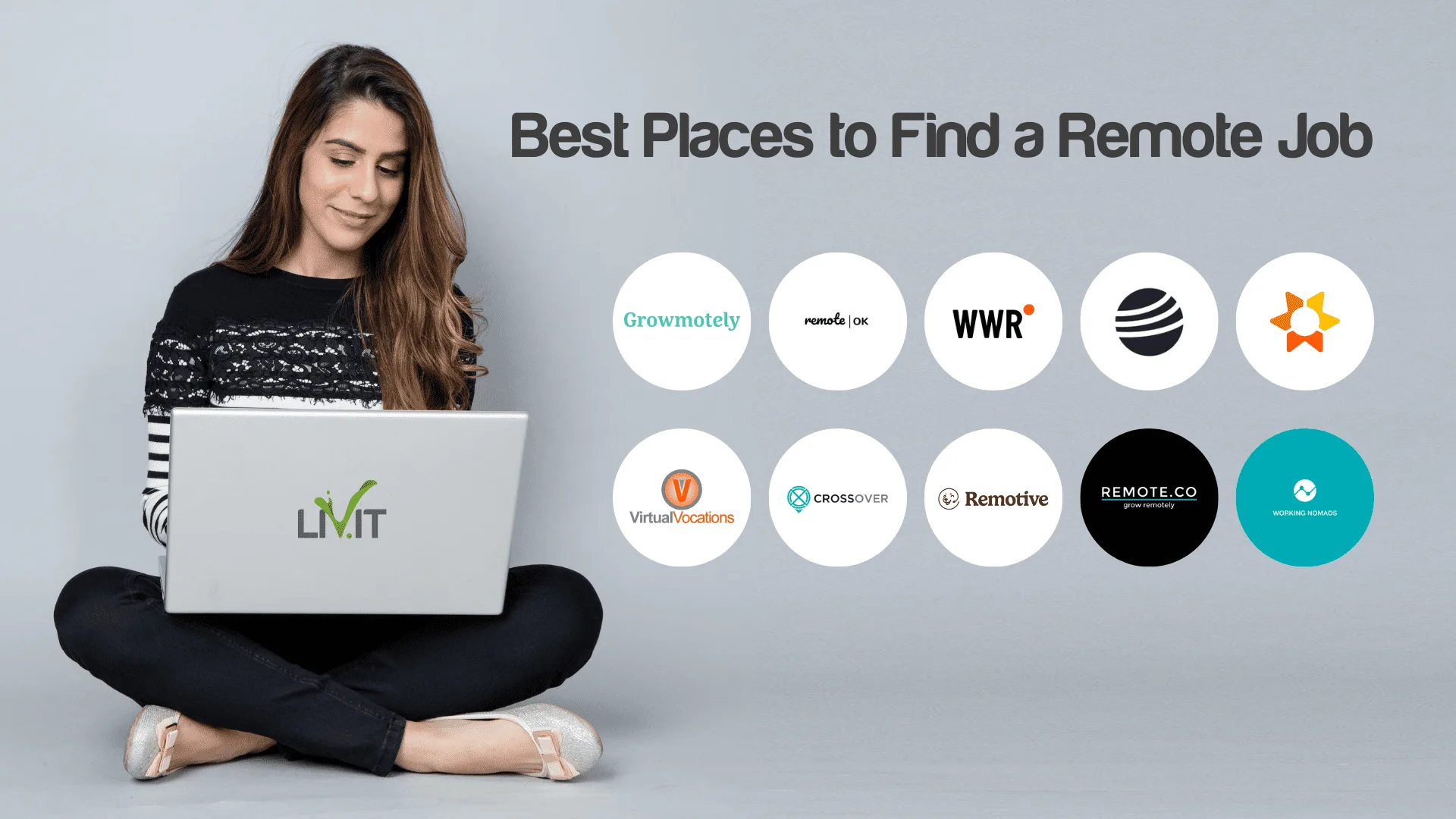
The landscape of work has shifted dramatically, and remote freelancing is no longer a niche pursuit but a thriving reality for many. If you’re looking to leverage your skills from anywhere, knowing effective ways to find remote job opportunities for freelancers is your golden ticket. This guide will equip you with the strategies and resources to unlock a world of flexible and fulfilling work.
What are Effective Ways to Find Remote Job Opportunities for Freelancers?
Essentially, these are proven methods and platforms that connect skilled individuals with businesses seeking their services on a project or contract basis, all without the need for a physical office. It’s about intelligently navigating the digital space to discover roles that align with your expertise and lifestyle.
Why Effective Ways to Find Remote Job Opportunities for Freelancers Matters
In today’s dynamic job market, mastering these methods is crucial for career growth and financial stability. It allows you to bypass geographical limitations, tap into a global talent pool, and achieve a better work-life balance. Understanding where to look strategically maximizes your chances of landing your ideal remote position.
Unlocking Your Remote Freelance Potential: Your Actionable Guide
Let’s dive into the practical steps and smart strategies for discovering those sought-after remote freelance gigs.
1. Leverage Niche Freelance Platforms
These platforms are specifically designed to connect freelancers with clients, often specializing in particular industries or skill sets. They are a goldmine for finding remote work if you know where to focus your efforts.
- General Freelance Marketplaces: Sites like Upwork, Fiverr, and Freelancer.com host a vast array of projects across various disciplines. You can bid on projects or create service packages.
- Specialized Job Boards: For instance, ProBlogger Job Board is excellent for writers, while Toptal focuses on top-tier developers and designers. Search for boards catering to your specific niche.
- Creative & Design Platforms: Behance and Dribbble aren’t just portfolios; they also feature job boards where clients actively seek creative talent for remote assignments.
2. Explore Remote-Specific Job Aggregators
These websites curate remote job listings from various sources, saving you the time of sifting through multiple sites. They are invaluable for a broad overview of available remote positions.
- We Work Remotely: One of the largest and most popular remote-only job boards, featuring opportunities in tech, design, marketing, and more.
- Remote.co: Offers a curated selection of remote jobs and helpful resources for remote workers.
- FlexJobs: A subscription-based service that screens all its listings for legitimacy, ensuring you only see genuine remote and flexible work opportunities. This is a fantastic resource for avoiding scams.
- JustRemote: Another excellent aggregator that allows you to filter jobs by category, company, and even specific skills.
3. Tap into Your Professional Network
Your existing connections can be a powerful, often overlooked, source of remote freelance opportunities. Don’t underestimate the power of a personal recommendation or a casual conversation.
- Reach out to former colleagues and employers: Let them know you’re seeking remote freelance projects. They might have leads or be in need of your services themselves.
- Inform your friends and family: You never know who might know someone looking for a freelancer.
- Engage on LinkedIn: Update your profile to reflect your freelance status and skills. Actively connect with professionals in your industry and participate in relevant groups.
4. Utilize Social Media Strategically
Beyond just networking, social media platforms can be active hunting grounds for remote gigs.
- LinkedIn: As mentioned, it’s a professional powerhouse. Follow companies you admire, engage with their content, and look for posts announcing hiring needs. Many companies post remote opportunities directly.
- Twitter: Follow industry influencers and companies, and use relevant hashtags like #remotework, #freelancejobs, or #hiring. Many recruiters and hiring managers share opportunities here.
- Facebook Groups: Search for groups focused on remote work, freelancing in your niche, or specific industries. These communities often share job leads and offer advice.
5. Target Companies Directly
Many companies, especially those that have embraced remote work, often post their freelance or contract opportunities on their own career pages.
- Identify remote-friendly companies: Research companies known for their remote culture or those in industries that naturally lend themselves to remote work (e.g., tech, digital marketing, content creation).
- Check their "Careers" or "Jobs" page: Look for sections dedicated to contract, freelance, or project-based roles.
- Consider a speculative application: If a company aligns perfectly with your skills and values, even if they don’t have an advertised opening, consider sending a well-crafted pitch highlighting how you can add value.
6. Explore Content and Marketing Agencies
These agencies often hire freelance writers, editors, graphic designers, social media managers, and SEO specialists for their clients.
- Search for agencies in your niche: Look for agencies that specialize in content marketing, digital advertising, or public relations.
- Visit their "Work With Us" or "Careers" pages: Many have dedicated sections for freelance applications.
- Network with agency professionals: Building relationships can lead to exclusive opportunities.
7. Consider Virtual Assistant (VA) Roles
If you have strong organizational, administrative, or customer service skills, virtual assistant roles are plentiful in the remote freelance market.
- Look for VA-specific agencies: There are agencies that specialize in connecting VAs with clients needing support.
- Search general freelance platforms: Many clients post VA tasks on sites like Upwork and Fiverr.
- Highlight your transferable skills: Emphasize your ability to manage schedules, handle communication, and organize tasks effectively.
Common Pitfalls to Avoid When Searching for Remote Work
Even with the best intentions, freelancers can stumble. Being aware of these common mistakes can save you time and frustration.
- Falling for "Too Good to Be True" Offers: If a job promises extremely high pay for minimal work and requires upfront payment for "training" or "equipment," it’s likely a scam. Always research the company and the role thoroughly.
- Not Tailoring Your Applications: Sending generic applications won’t cut it. Each proposal or cover letter should be customized to the specific job and client, highlighting why you’re the perfect fit.
- Ignoring Your Portfolio: A strong, updated portfolio is your best advertisement. Ensure it showcases your best work and is easily accessible.
- Not Understanding Contract Terms: Before accepting any remote gig, carefully review the contract. Understand the scope of work, payment terms, deadlines, and intellectual property rights.
- Neglecting Your Online Presence: Your social media profiles, especially LinkedIn, should be professional and reflect your expertise. Potential clients will often check your online footprint.
Expert Tips to Master Finding Remote Freelance Opportunities
Want to go from simply finding jobs to consistently landing great ones? These advanced strategies can elevate your freelance career.
- Develop a Niche Expertise: Instead of being a generalist, become an expert in a specific area. This makes you more valuable and easier for clients to find. For example, instead of "writer," become a "B2B SaaS content writer."
- Build a Strong Personal Brand: Beyond your portfolio, develop a recognizable personal brand. This could be through a professional website, a consistent social media presence, or contributing to industry discussions.
- Master the Art of Pitching: Learn to craft compelling pitches that clearly articulate the value you bring to a client. Focus on solving their problems.
- Become a Problem Solver: Clients aren’t just looking for someone to complete tasks; they’re looking for someone to solve their business challenges. Frame your skills as solutions.
- Continuously Upskill: The remote work landscape evolves rapidly. Stay updated with new tools, technologies, and industry trends to remain competitive.
- Nurture Relationships: Freelancing is often about repeat business and referrals. Focus on delivering excellent work and building strong relationships with your clients.
Real-Life Scenario: Sarah’s Successful Remote Job Hunt
Sarah, a graphic designer, felt stuck in her local job market. She decided to actively seek remote opportunities. She updated her LinkedIn profile, joined relevant Facebook groups, and began applying to jobs on We Work Remotely and FlexJobs. She also reached out to a former colleague who worked at a marketing agency. Within a month, she landed a consistent remote contract with a startup, leveraging her specialized skills in branding and web design. Her proactive approach and strategic use of platforms paid off significantly.
Your Journey to Remote Freedom Starts Now
Finding effective ways to where to find remote job opportunities for freelancers is an ongoing journey of learning, adapting, and persistent effort. By utilizing niche platforms, remote job boards, your network, and social media strategically, you can uncover a wealth of possibilities. Remember to present yourself professionally, tailor your applications, and continuously hone your skills. The world of remote work is vast and rewarding; take these steps today, and you’ll be well on your way to building a fulfilling freelance career on your own terms. Go forth and find your next great remote gig!
