
Are you dreaming of a creative, dynamic career in marketing but feel held back by a resume that screams "no experience"? You’re not alone. The leap into a new industry can feel daunting, but it’s far from impossible. This comprehensive step by step guide to finding marketing jobs without experience for career change is designed to be your roadmap, transforming your ambition into an actionable plan that gets you hired. Let’s break down the exact strategies you need to launch your new career.
Understanding the Path to a Marketing Career Without Experience
At its core, a guide to finding a marketing job as a career changer is about strategy, not just luck. It’s about understanding that "experience" is more than a list of past job titles. It’s a demonstration of skills, knowledge, and potential. For someone switching careers, the challenge isn’t a lack of ability; it’s learning how to translate your existing abilities into the language of marketing and fill in the specific knowledge gaps. This process involves self-education, practical application, and smart personal branding.
Why a Career Change to Marketing is a Smart Move
Marketing is no longer just about flashy ads and catchy slogans. It’s a powerful blend of psychology, data analysis, creativity, and technology. This diversity is precisely why it’s such a welcoming field for career changers.
Companies today are desperate for marketers who can think critically, understand customer behavior, manage projects, and analyze results. These are skills you’ve likely already developed in your current or previous roles, whether you were in sales, customer service, project management, or even teaching. Your unique background is not a disadvantage; it’s a unique perspective you can bring to a marketing team.
The Step-by-Step Guide to Finding Marketing Jobs Without Experience for Career Change
Feeling overwhelmed? Don’t be. We’ll break this journey into manageable, actionable steps. Follow this blueprint, and you’ll build the momentum you need to land your first role.
Step 1: Pinpoint Your Marketing Niche
"Marketing" is a vast field. Saying you want a "job in marketing" is like saying you want a "job in healthcare." You need to be more specific to focus your learning and job search.
Start by exploring the main disciplines:
- Content Marketing: Creating valuable content (blogs, videos, podcasts) to attract and engage an audience. Great for strong writers and storytellers.
- Search Engine Optimization (SEO): Helping websites rank higher on search engines like Google. Perfect for analytical, puzzle-solving minds.
- Social Media Marketing: Building and managing a brand’s presence on platforms like Instagram, LinkedIn, and TikTok. Ideal for creative and community-oriented individuals.
- Email Marketing: Crafting email campaigns to nurture leads and retain customers. Suits those who are strategic and enjoy a mix of writing and analytics.
- Pay-Per-Click (PPC) Advertising: Running paid ad campaigns on Google Ads or social media. A great fit for data-driven people who enjoy optimizing for results.
Actionable Tip: Spend a week exploring these areas. Watch YouTube tutorials, read blogs from industry leaders (like HubSpot, Moz, or Social Media Examiner), and see which one genuinely excites you.
Step 2: Build Foundational Knowledge with Certifications
Once you have a niche in mind, it’s time to build a solid knowledge base. Certifications are the fastest way to prove to employers that you are serious and have learned the fundamentals.
Many of the best resources are free:
- HubSpot Academy: Offers a wide range of free certifications in Inbound Marketing, Content Marketing, Email Marketing, and more. These are highly respected in the industry.
- Google Digital Garage: The "Fundamentals of Digital Marketing" certification is a fantastic starting point. Google also offers certifications in Analytics and Google Ads.
- Semrush Academy: Provides excellent, in-depth courses and certifications focused on SEO and content marketing tools.
Completing two or three relevant certifications shows initiative and gives you the core vocabulary you’ll need in interviews.
Step 3: Identify and Reframe Your Transferable Skills
This is the most critical step for any career changer. You have valuable skills; you just need to reframe them for a marketing role.
Create a document and list your previous job responsibilities. Next to each one, translate it into a marketing skill.
- Were you in customer service? You have experience with customer journey mapping, feedback analysis, and community management.
- Did you work in sales? You excel at copywriting, persuasion, lead qualification, and understanding customer pain points.
- Were you a project manager? You know how to manage campaign timelines, budgets, and stakeholder communication.
- Did you work with data or reports? You have a foundation in analytics, performance tracking, and data-driven decision-making.
This exercise will build your confidence and give you the exact language to use on your resume and in interviews.
Step 4: Gain Practical, Hands-On Experience (Your Portfolio)
A certification proves you have knowledge. A portfolio proves you can apply it. You don’t need a paid job to build a portfolio.
Here are ways to get real-world experience:
- Start Your Own Project: Launch a blog about a passion of yours. Grow its audience using SEO and social media. This becomes a living case study.
- Volunteer Your Skills: Offer to manage the social media account for a local charity or write blog posts for a non-profit. They get free help, and you get tangible results for your portfolio.
- Help a Small Business: Do you have a friend who runs a small business? Offer to help them set up an email newsletter or run a small Facebook ad campaign for a nominal fee or for free.
- Create Spec Work: If you want to be a copywriter, write three sample email campaigns for a brand you admire. If you want to do SEO, perform a technical audit on a local business’s website and present your findings.
Document everything. Take screenshots of your results, write up brief case studies explaining your process, and put it all on a simple website or in a PDF portfolio.
Step 5: Craft a Marketing-Focused Resume and Cover Letter
Your old resume won’t work. It’s time for a complete overhaul.
- Headline: Change your LinkedIn and resume headline from your old title to your new aspiration (e.g., "Aspiring Content Marketer | SEO & Copywriting").
- Summary: Write a powerful summary at the top that tells your career change story. "Former retail manager transitioning into digital marketing with a proven ability to understand customer needs and drive engagement. Recently certified in Inbound Marketing and SEO."
- Experience Section: Re-write your old job descriptions using the transferable skills you identified in Step 3. Quantify everything you can (e.g., "Increased customer retention by 15% through a new feedback initiative" becomes "Analyzed customer feedback to improve user experience, resulting in a 15% uplift in retention").
- Projects Section: Add a new section called "Marketing Projects" or "Portfolio" and list the hands-on work you did in Step 4. This is often more important to a hiring manager than your old job titles.
Common Mistakes to Avoid When Switching to Marketing
Following a guide for breaking into marketing is great, but knowing what not to do is just as important.
- The "Spray and Pray" Application: Don’t apply to 100 jobs with a generic resume. It’s better to send 10 highly customized applications that speak directly to the job description.
- Waiting to Be an "Expert": You don’t need to know everything. Focus on being an expert in the fundamentals of your chosen niche. Imposter syndrome is real, but don’t let it stop you from applying.
- Underestimating Networking: Over 70% of jobs are filled through networking. Don’t just apply online. Connect with people on LinkedIn. Ask for 15-minute "virtual coffees" to learn about their roles. People are often happy to help someone who is passionate and proactive.
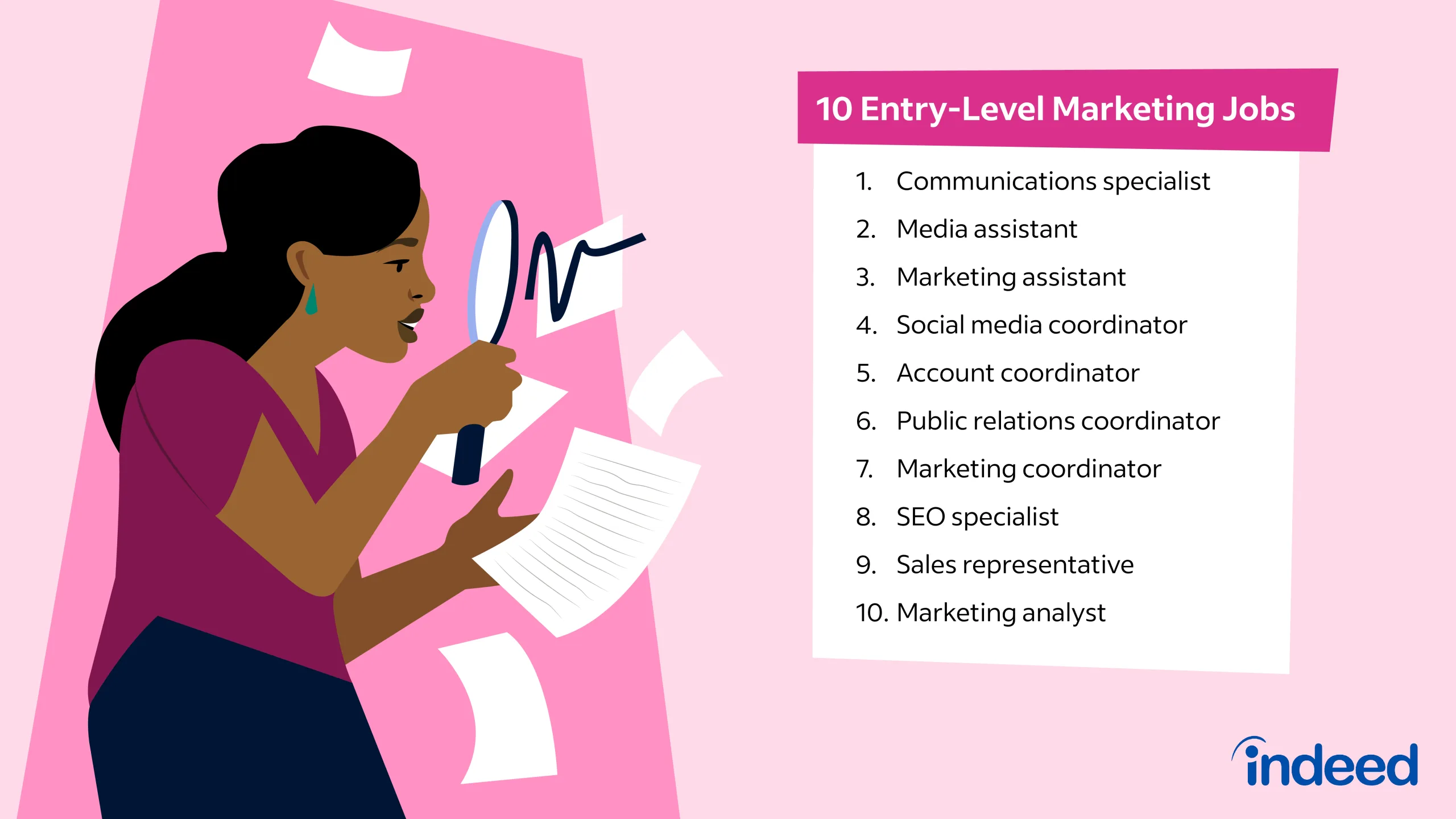
- Ignoring Entry-Level or "Unsexy" Roles: Your first job might not be a "Marketing Manager" at a famous brand. Be open to roles like "Marketing Coordinator," "Marketing Assistant," or even internships. These are your foot in the door.
Expert Tips to Accelerate Your Career Change
Want to stand out from the crowd? Go the extra mile with these pro-level strategies.
- Build a Personal Brand: Use LinkedIn or Twitter as a professional platform. Don’t just be a job seeker; be a participant in the industry. Share interesting articles about marketing, comment on posts from industry leaders, and write about what you’re learning.
- Master One Tool Deeply: Become the go-to person for a specific tool. This could be Google Analytics, Mailchimp, Canva, or an SEO tool like Ahrefs. Having deep knowledge of a tool listed in a job description makes you an incredibly attractive candidate.
- Think Like a Marketer About Yourself: Your job search is your first marketing campaign. Your resume is the ad copy. Your portfolio is the landing page. Your interview is the sales call. Approach every step with a strategic, marketing mindset.
Real-Life Example: From Teacher to Content Marketer
Let’s look at "Alex," a former high school English teacher. Alex felt burnt out and wanted a more creative career.
- Niche: With a love for writing and explaining complex topics, Alex chose Content Marketing.
- Knowledge: Alex completed HubSpot’s Content Marketing and Inbound Marketing certifications.
- Transferable Skills: Alex translated "lesson planning" into content strategy and editorial calendar management, "grading essays" into copy-editing and providing constructive feedback, and "engaging students" into audience engagement and simplification of complex ideas.
- Portfolio: Alex started a blog about sustainable living, a personal passion. He wrote 10 well-researched articles and used basic SEO to get them ranking for a few keywords. He also offered to rewrite the "About Us" page for a local community garden for free.
- Job Search: Alex tailored his resume to highlight his writing skills and his new blog. In his cover letter, he explained how his teaching background gave him a unique ability to educate and engage an audience. He landed a "Content Coordinator" role at a tech startup that valued his ability to make complex software sound simple.
Final Thoughts: Your Marketing Career Awaits
Making a career change is a bold and exciting decision. This step by step guide to finding marketing jobs without experience for career change proves that a lack of a traditional background is not a barrier; it’s an opportunity. Your journey is about being proactive, strategic, and persistent. It’s about building knowledge, demonstrating your skills, and telling a compelling story.
Don’t wait for the perfect moment. Start with Step 1 today. Explore a niche, take a free course, or start brainstorming your transferable skills. Every small action you take builds the momentum that will carry you into your new, rewarding career in marketing. You can do this.
