
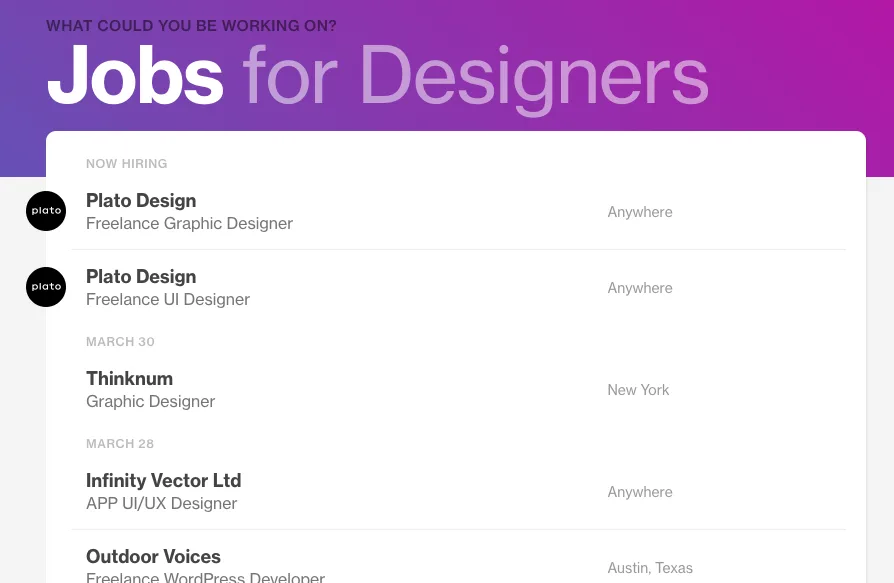
The world of design is buzzing with opportunities, and the digital landscape makes it more accessible than ever. If you’re a student dreaming of a career in graphic design, web design, UI/UX, or any other creative field, the good news is you don’t have to wait until graduation to start building your portfolio and earning experience. This ultimate guide to where to find creative design jobs online while studying is your roadmap to navigating this exciting path.
As a career coach specializing in creative industries, I’ve seen countless students unlock their potential by strategically seeking online work. It’s not just about making some extra cash; it’s about gaining real-world experience, refining your skills, and making invaluable industry connections. Let’s dive into how you can successfully find those crucial early career opportunities.
What is the Ultimate Guide to Where to Find Creative Design Jobs Online While Studying?
Essentially, this guide is your comprehensive resource for discovering and securing paid and unpaid creative projects that can be undertaken remotely. It focuses on identifying platforms, strategies, and essential preparation needed for students to secure freelance gigs, internships, or entry-level positions in design fields, all while balancing their academic commitments.
It’s about bridging the gap between classroom learning and practical application. By understanding where to look and how to present yourself effectively, you can transform your student years into a launchpad for a successful design career. This means gaining hands-on experience that employers highly value.
Why Finding Creative Design Jobs Online While Studying Matters
Securing design work during your studies offers a multitude of benefits that extend far beyond financial gain. It’s a strategic move for career acceleration and professional development. You’ll be building a professional portfolio with real projects, not just academic exercises.
This early experience allows you to test your skills in a live environment, receiving feedback from actual clients. It also helps you understand project management, client communication, and the business side of design. These are invaluable lessons that textbooks alone cannot teach.
Furthermore, it builds your professional network. Connections made during these early gigs can lead to future opportunities, mentorship, and even full-time employment after graduation. It’s a proactive way to shape your future career trajectory.
Step-by-Step Guide to Finding Creative Design Jobs Online While Studying
Embarking on your online job search requires preparation and a strategic approach. Here’s a breakdown of how to get started and find those sought-after creative roles.
1. Build a Stellar Online Portfolio
Before you even start looking, your portfolio is your most crucial asset. It’s your digital storefront, showcasing your best work. Even if you have limited client projects, include your strongest academic assignments, personal projects, and concept work.
- Curate your best pieces: Select 5-10 of your most polished and diverse projects.
- Showcase process: Include sketches, wireframes, mood boards, and explanations of your design thinking.
- Use a professional platform: Websites like Behance, Dribbble, Adobe Portfolio, or even a personal website (e.g., using Squarespace, Wix, or WordPress) are excellent choices.
- Tailor it: If you’re applying for web design roles, highlight your web projects. For branding, focus on logos and brand identity.
2. Refine Your Skills and Identify Your Niche
While you’re studying, you’re gaining a broad range of skills. However, employers often look for specialists. Think about what areas of design excite you most.
- Identify your strengths: Are you a whiz with Adobe Illustrator? Do you love crafting user interfaces?
- Consider specialized areas: UI/UX design, motion graphics, illustration, typography, or branding are all in high demand.
- Practice consistently: Dedicate time to honing the skills relevant to your chosen niche. Online tutorials and courses can supplement your academic learning.
3. Network Strategically Online
Your network is your net worth in the creative industry. Start building it early.
- Engage on social media: Follow designers, agencies, and companies you admire on platforms like LinkedIn, Instagram, and Twitter. Comment thoughtfully on their posts.
- Join online communities: Look for Discord servers, Slack groups, or Facebook groups related to design. Participate in discussions and offer value.
- Connect on LinkedIn: Send personalized connection requests to people in the industry, mentioning your shared interests or your student status.
4. Explore Freelance Platforms
These platforms are excellent starting points for students seeking project-based work. They offer a wide range of opportunities across various design disciplines.
- Upwork: A popular platform with a vast array of design projects, from small tasks to long-term engagements. You’ll need to create a strong profile and craft compelling proposals.
- Fiverr: Ideal for offering specific design services (e.g., logo design, social media graphics) at set price points. It’s great for building a client base quickly.
- Toptal: This platform is more selective and aims to connect top freelance talent with companies. While it can be competitive, it offers higher-paying projects.
- 99designs: Focuses on design contests, where clients post a brief, and designers submit their work. The client chooses the winning design. It’s a good way to get exposure and practice with briefs.
- Freelancer.com: Similar to Upwork, offering a wide range of freelance projects.
5. Look for Student-Specific Opportunities
Many companies and organizations actively seek student talent for internships, part-time roles, and entry-level positions.
- University Career Services: Your university’s career center is a goldmine for listings, including remote internships and entry-level jobs.
- Job Boards:
- LinkedIn Jobs: Filter by "internship," "entry-level," and "remote."
- Indeed: A comprehensive job board with many remote design positions.
- Glassdoor: Offers job listings, company reviews, and salary data.
- Design-Specific Job Boards:
- Dribbble Jobs: Features curated design opportunities.
- Behance Jobs: Another excellent source for creative roles.
- AIGA Design Jobs: The professional association for design has a robust job board.
6. Leverage Social Media for Direct Opportunities
Many businesses and individuals now post design needs directly on social media.
- Instagram: Follow design agencies, studios, and businesses. Many post "hiring" or "freelance needed" stories or posts. Use relevant hashtags like #designjobs, #freelancedesigner, #graphicdesignintern, #remotedesign.
- Twitter: Similar to Instagram, follow industry leaders and companies. Hashtags are crucial here too.
- Facebook Groups: Search for local or niche design groups where opportunities are often shared.
7. Consider Pro Bono Work (Strategically)
While this guide focuses on paid opportunities, strategic pro bono work can be invaluable, especially early on.
- Choose wisely: Select a cause or organization you’re passionate about.
- Set clear boundaries: Define the scope of work and timelines to avoid overcommitment.
- Treat it professionally: Deliver high-quality work, as it will be part of your portfolio. This can often lead to paid work or strong references.
Common Mistakes to Avoid When Seeking Online Design Jobs While Studying
Navigating the online job market can be tricky. Here are common pitfalls to steer clear of to ensure a smoother and more successful job search.
1. Not Having a Portfolio Ready
Applying without a portfolio is like going to an interview without any work to show. It’s the quickest way to get overlooked. Always have your best work showcased and accessible.
2. Generic Proposals and Applications
A one-size-fits-all approach rarely works. Clients want to see that you’ve read their brief and understand their needs. Tailor your proposals to each specific job.
3. Undervaluing Your Work
While you’re a student, your skills have value. Don’t be afraid to charge a fair rate, even if it’s lower than experienced professionals. Research industry standards for entry-level or student rates.
4. Overcommitting and Underdelivering
Taking on too much work can lead to missed deadlines and poor quality, damaging your reputation. Be realistic about your availability and workload capacity.
5. Poor Communication
Prompt, clear, and professional communication is paramount. Respond to inquiries quickly, ask clarifying questions, and keep clients updated on your progress.
Expert Tips to Master Finding Creative Design Jobs Online While Studying
Want to go from simply finding jobs to excelling in your online design endeavors? Here are some advanced strategies.
1. Become a Niche Specialist
Instead of being a generalist, consider becoming an expert in a specific area. This makes you more attractive to clients looking for specialized skills. For example, focus on e-commerce UI design or character illustration for games.
2. Master the Art of Proposals
Your proposal is your sales pitch. Learn to write compelling narratives that highlight how your skills and creativity can solve the client’s problem. Emphasize the benefits you bring, not just the tasks you’ll perform.
3. Build Relationships, Not Just Transactions
Focus on creating positive experiences for your clients. Happy clients are more likely to return for future work and provide excellent testimonials. Go the extra mile when possible.
4. Continuously Learn and Adapt
The design world evolves rapidly. Stay updated with the latest software, trends, and technologies. This continuous learning demonstrates your commitment and keeps your skills sharp.
5. Understand Basic Project Management
Even for small freelance gigs, understanding how to manage your time, resources, and client expectations is crucial. This skill is highly sought after by employers.
Real-Life Example: Sarah’s Journey
Sarah, a second-year graphic design student, felt overwhelmed by the prospect of finding work. She dedicated evenings to building her Behance portfolio, showcasing her best typography and branding projects from university assignments. She then started applying to smaller projects on Upwork, focusing on brands needing social media graphics.
Her first few gigs were for local small businesses. She communicated proactively, delivered on time, and asked for feedback. One client, impressed with her work, referred her to another business needing a website refresh. This led to a more substantial project, which Sarah then proudly added to her portfolio, significantly boosting her credibility.
Final Thoughts on Your Ultimate Guide to Where to Find Creative Design Jobs Online While Studying
Your student years are a prime time to launch your design career. By leveraging this ultimate guide to where to find creative design jobs online while studying, you can actively build a professional foundation while still in education.
The key is to be proactive, prepared, and persistent. Focus on showcasing your skills, networking effectively, and delivering quality work. The opportunities are out there, waiting for you to discover them. Start today, and you’ll be well on your way to a fulfilling and successful career in design. Go forth and create!
