
Thinking about a career change and envisioning yourself contributing to the greater good? A government job might be the perfect fit! But navigating the government job application process can feel like deciphering a secret code. This beginner’s guide to how to get a government job application process for career change will break down the steps, demystify the terminology, and empower you to pursue your public service dreams.
What is a Beginner’s Guide to How to Get a Government Job Application Process for Career Change?
This guide is designed for individuals looking to transition into government employment from other sectors. It provides a clear, step-by-step approach to understanding the application process, highlighting key elements like USAJOBS navigation, resume optimization for federal positions, and crafting compelling narratives to showcase your transferable skills. We’ll focus on making your career change to the public sector as smooth as possible.
Why a Career Change to Government Work Matters
The government sector offers stability, competitive benefits, and the opportunity to make a real difference in your community and country. Many are seeking government jobs for career advancement and better job security. With diverse roles available across various agencies, you can find a position that aligns with your skills and passions, regardless of your previous industry. Plus, the structured career paths and emphasis on professional development can lead to long-term growth.
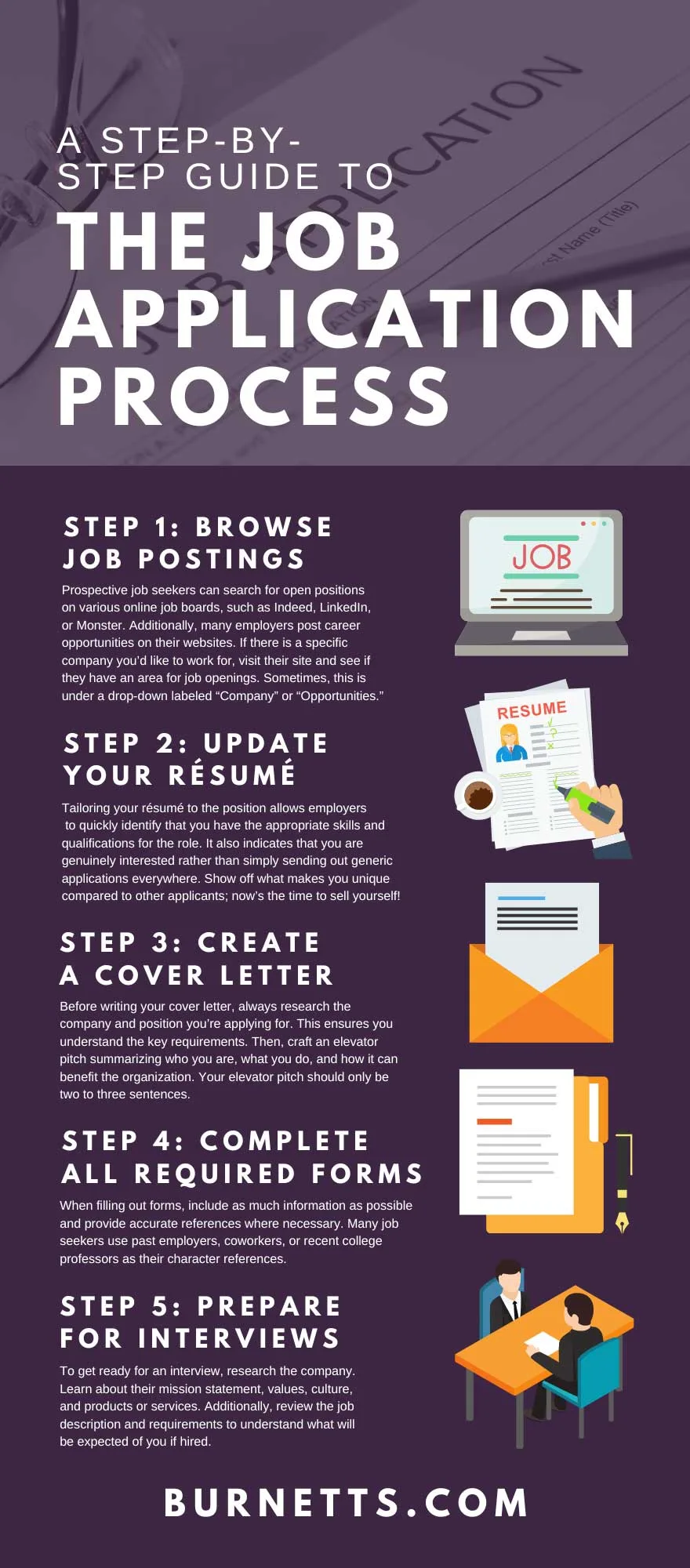
Step-by-Step Guide: Navigating the Government Job Application Process
Here’s a practical guide to help you ace your government job applications and successfully transition into a public service career:
Step 1: Identify Your Skills and Interests
-
Self-Assessment: Before diving into job searches, take time to identify your skills, interests, and values. What are you good at? What do you enjoy doing? What kind of impact do you want to make?
-
Transferable Skills: Consider how your skills from previous roles can be applied to government positions. Project management, communication, problem-solving, and analytical skills are valuable across many sectors.
Step 2: Explore Federal, State, and Local Government Opportunities
-
USAJOBS (Federal): The official job board for the U.S. Federal Government. Spend time familiarizing yourself with the site’s search filters and features. Create a profile and upload your resume.
-
State Government Websites: Each state has its own career portal. Search for " Government Jobs" to find relevant listings.
-
Local Government Websites: Check the websites of your city, county, and other local municipalities for job openings.
Step 3: Understand the Job Announcement
-
Read Carefully: Government job announcements are detailed and specific. Pay close attention to the duties, qualifications, and application instructions.
-
Key Terms: Familiarize yourself with common government terms like "GS level," "security clearance," and "specialized experience."
-
Required Documents: Note all the required documents, such as resumes, transcripts, and certifications.
Step 4: Craft a Federal Resume
-
Length: Federal resumes are typically longer than private sector resumes. Aim for 3-5 pages to provide detailed information.
-
Detailed Experience: For each job, describe your responsibilities and accomplishments using specific examples and quantifiable results. Use the STAR method (Situation, Task, Action, Result) to illustrate your impact.
-
Keywords: Incorporate keywords from the job announcement into your resume. Applicant Tracking Systems (ATS) scan resumes for these terms.
-
Format: Use a clear and professional format. Avoid fancy fonts or graphics.
Step 5: Write a Compelling Cover Letter
-
Tailor to the Job: Customize your cover letter for each position. Highlight your relevant skills and experience and explain why you are a good fit for the role.
-
Show Enthusiasm: Express your genuine interest in the agency and its mission.
-
Proofread Carefully: Ensure your cover letter is free of errors.
Step 6: Prepare for Assessments and Interviews
-
Assessments: Some government jobs require assessments to evaluate your skills and abilities. Practice with sample tests.
-
Behavioral Questions: Be prepared to answer behavioral interview questions that assess your past performance. Use the STAR method to structure your responses.
-
Research the Agency: Learn about the agency’s mission, values, and programs.
-
Dress Professionally: Dress in business attire for interviews.
Step 7: Follow Up
-
Thank You Notes: Send thank-you notes to the interviewers within 24 hours of the interview.
-
Check Application Status: Monitor your application status online.
Common Mistakes to Avoid in Your Government Job Application
Navigating the federal job application process can be tricky. Here are some common pitfalls to steer clear of:
-
Ignoring Instructions: Not following the instructions in the job announcement is a quick way to get your application rejected. Read everything carefully.
-
Generic Resume: Using a generic resume that doesn’t tailor to the specific job requirements. Tailor your resume to each position.
-
Lack of Detail: Providing insufficient detail about your experience. Be specific and use quantifiable results.
-
Typos and Grammatical Errors: These errors can make you look unprofessional. Proofread carefully.
-
Missing Deadlines: Submitting your application after the deadline. Start early and give yourself plenty of time.
Expert Tips to Master the Government Job Application Process
-
Network: Attend job fairs and networking events to connect with government employees.
-
Informational Interviews: Conduct informational interviews with people who work in the agencies you’re interested in.
-
Volunteer: Volunteer for government agencies or related organizations to gain experience and make connections.
-
Certifications and Training: Obtain certifications and training that are relevant to your desired field.
-
Use the CareerOneStop: The CareerOneStop website is a great resource for career exploration, training, and job searching.
Real-Life Example: Career Change to Public Service
Sarah, a marketing professional with 10 years of experience, decided to pursue a career change to the government sector. She leveraged her communication and project management skills to apply for a public affairs specialist position at a federal agency.
She carefully reviewed the job announcement and tailored her resume to highlight her relevant experience. She used the STAR method to describe her accomplishments and incorporated keywords from the job announcement. She also wrote a compelling cover letter that expressed her passion for public service.
Sarah prepared for the interview by researching the agency and practicing her responses to behavioral questions. She networked with government employees and sought advice from career counselors. Her hard work paid off, and she landed the job!
Final Thoughts on Your Path to a Government Job
Securing a government job through a career change takes dedication and a strategic approach. By understanding the application process, crafting a compelling resume and cover letter, and preparing for assessments and interviews, you can increase your chances of success. Remember, public service offers a rewarding career path with opportunities to make a positive impact on your community and country. Don’t be afraid to take the leap and pursue your dreams of working in government! Your skills and experience are valuable, and the public sector needs talented individuals like you. Start your journey today!
