
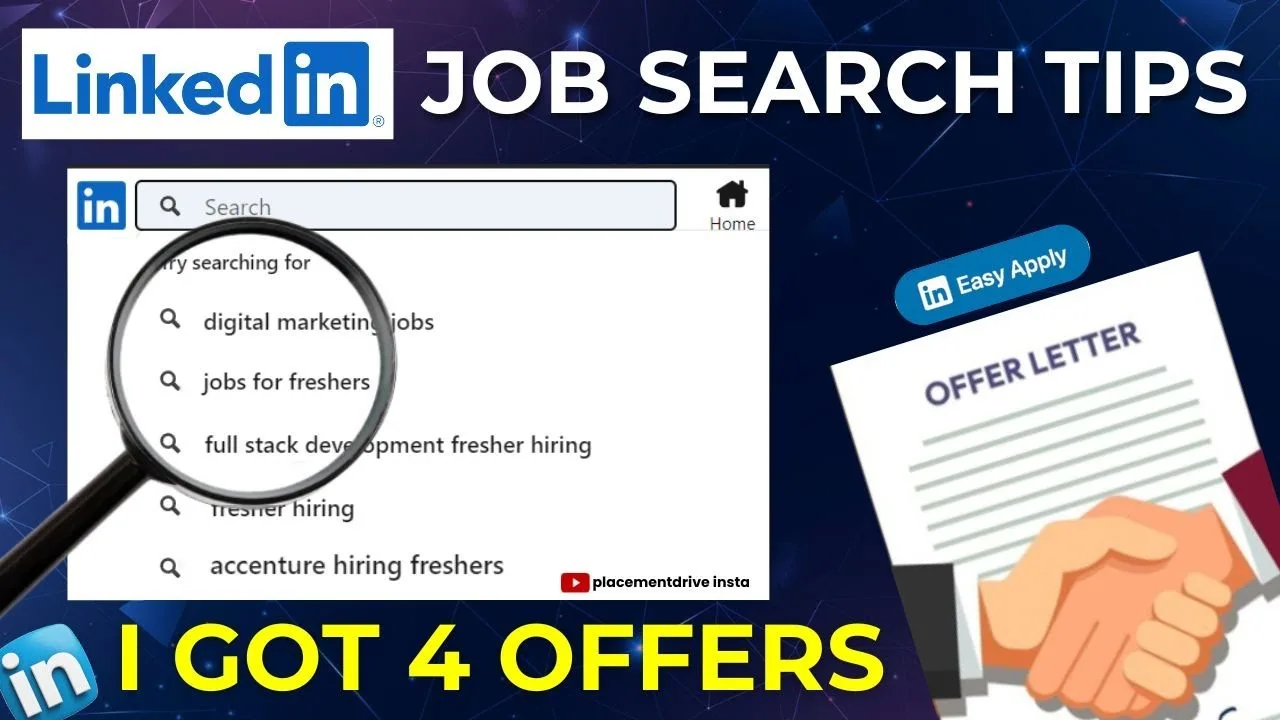
Starting a job search can feel like embarking on a daunting expedition, especially if you’re new to the professional world, re-entering the workforce, or simply feel stuck. But what if there was a powerful tool, a digital launchpad, designed to connect you with opportunities and the people who can help you seize them? Welcome to LinkedIn. This beginner’s guide to how to start a job search from scratch using LinkedIn will demystify the process, transforming your apprehension into actionable steps. Get ready to unlock your potential and navigate the job market with confidence, using the world’s leading professional network as your trusted compass.
What is a Job Search on LinkedIn for Beginners?
At its core, starting a job search on LinkedIn for beginners means leveraging a global professional networking platform to find employment. It’s more than just an online resume; it’s a dynamic ecosystem where job seekers connect with recruiters, industry experts, and potential employers. For someone starting from scratch, LinkedIn provides an unparalleled opportunity to build a professional presence, discover relevant openings, and engage with the professional community, all in one place.
Think of LinkedIn as your digital professional identity. It’s where you showcase your skills, experience, and aspirations. Unlike traditional job boards, LinkedIn emphasizes networking, personal branding, and direct interaction. This integrated approach makes it incredibly effective for anyone looking to kickstart their career hunt, regardless of their starting point or previous experience.
Why Starting a Job Search From Scratch on LinkedIn Matters
In today’s competitive job market, an active and optimized LinkedIn presence isn’t just a nice-to-have; it’s a necessity. For anyone wondering how to find a job with LinkedIn as a beginner, understanding its importance is the first step. Recruiters actively scour LinkedIn for candidates, often before even posting a job publicly. Your profile can be your 24/7 advocate, working even when you’re not.
Beyond direct job applications, LinkedIn offers invaluable benefits. It allows you to research companies, gain industry insights, and identify key decision-makers. The platform empowers you to build a professional network, which is often cited as the most effective way to land a job. By mastering LinkedIn, you’re not just applying for jobs; you’re strategically positioning yourself for career success and opening doors to opportunities you might never have found otherwise.
Step-by-Step Guide to Kicking Off Your Job Search on LinkedIn
Embarking on a job search can feel overwhelming, but with a structured approach, you can turn LinkedIn into your most powerful ally. This section provides a comprehensive, step-by-step beginner’s guide to how to start a job search from scratch using LinkedIn, ensuring you build a solid foundation and maximize your chances of success.
Building Your Foundation: The Optimized LinkedIn Profile
Your LinkedIn profile is your digital resume, portfolio, and personal brand rolled into one. It needs to be complete, compelling, and keyword-rich to attract the right attention.
- Professional Photo: This is your first impression. Use a clear, recent headshot with a friendly, professional expression. Ensure you’re well-lit and the background is uncluttered. Avoid selfies, group photos, or overly casual shots.
- Compelling Headline: Don’t just list your current job title. Use this space (120 characters) to showcase your value proposition. For example, instead of "Unemployed," try "Aspiring Marketing Coordinator | SEO Enthusiast | Content Creator | Eager to Learn & Contribute" or "Recent Graduate Seeking Entry-Level Software Developer Role."
- "About" Section Story: This is your elevator pitch (up to 2,600 characters). Tell your story: who you are, what you’re passionate about, what skills you possess, and what kind of role you’re looking for. Use keywords relevant to your target industry and roles. Break it into short paragraphs for readability.
- Experience & Education: Detail your work history, internships, volunteer roles, and academic achievements. For each entry, use bullet points to highlight your responsibilities and, crucially, your accomplishments. Quantify your achievements whenever possible (e.g., "Managed social media, increasing engagement by 15%").
- Skills & Endorsements: List at least 5-10 relevant skills. LinkedIn allows up to 50. Focus on a mix of hard skills (e.g., "Python," "Data Analysis") and soft skills (e.g., "Communication," "Problem-Solving"). Ask connections to endorse you for skills they’ve seen you demonstrate.
- Recommendations: These are powerful social proof. Ask former managers, colleagues, or professors to write a recommendation for you, highlighting your strengths and work ethic. Aim for at least two to start.
- Accomplishments Section: Don’t overlook this! Add projects, publications, awards, certifications, languages, and organizations you’ve been a part of. This adds depth and showcases your diverse capabilities.
Growing Your Network Strategically
Your network is your net worth in the professional world. Building it thoughtfully is crucial for anyone starting a job hunt on LinkedIn for beginners.
- Connecting with People You Know: Start with your existing contacts: friends, family, former classmates, professors, and previous colleagues. A personalized message (e.g., "Hi , great to connect with you here! Hope you’re doing well.") is always better than a generic one.
- Finding Industry Leaders & Recruiters: Search for people in your target industry or companies. Look for recruiters, hiring managers, and professionals in roles you aspire to. Follow them first, engage with their content, and then send a personalized connection request.
- Personalized Connection Requests: This is key. Never send a generic "I’d like to add you to my professional network." Instead, mention why you want to connect (e.g., "I saw your post on and found it insightful," or "I’m an aspiring and would love to learn from your experience at ").
- Engaging with Content: Like, comment on, and share posts from your connections and industry leaders. This increases your visibility and demonstrates your expertise and interest. Thoughtful comments are far more impactful than simple likes.
Mastering the LinkedIn Job Search Function
LinkedIn’s job search engine is incredibly robust. Learning how to use it effectively is a cornerstone of any LinkedIn job search strategies for newcomers.
- Keyword Search: Use precise keywords related to your desired role (e.g., "Entry-Level Marketing Specialist," "Junior Data Analyst," "Customer Service Representative"). Be specific but also try variations.
- Location Filters: Specify your preferred geographic location. You can search by city, state, or even remote roles.
- Job Type & Experience Level: Filter by "Full-time," "Part-time," "Internship," "Contract," and select "Entry-level" or "Associate" to narrow down suitable positions.
- "Easy Apply" vs. External Links: "Easy Apply" jobs allow you to apply directly through LinkedIn, often using your profile as your resume. While convenient, also consider jobs that require applying on the company website. Tailoring your application there can sometimes make a stronger impression.
- Setting Up Job Alerts: Save your most effective search queries as job alerts. LinkedIn will then email you daily or weekly with new listings that match your criteria, ensuring you don’t miss opportunities.
- Company Page Search: Use the "Companies" tab to find companies you’re interested in. Follow them to see their updates and new job postings. This also helps you tailor your applications to their culture and values.
Leveraging LinkedIn for Research & Insights
LinkedIn isn’t just for applying; it’s a powerful research tool that can give you an edge.
- Company Pages: Explore company pages to understand their mission, values, culture, and the types of people they employ. Look at who works there and their career paths. This intelligence helps you tailor your cover letters and ace interviews.
- People Search: Search for individuals who hold roles you aspire to. Look at their career trajectories, skills, and the companies they’ve worked for. This can provide valuable insights into necessary qualifications and potential career paths.
- LinkedIn Learning: If you have a premium account or a free trial, LinkedIn Learning offers thousands of courses to upskill or reskill. Earning certifications through these courses can significantly enhance your profile and make you more competitive.
Common Mistakes Job Seekers Make on LinkedIn
Even with the best intentions, it’s easy to fall into common traps when leveraging LinkedIn for your first job search. Avoiding these pitfalls can significantly improve your outcomes.
- Incomplete or Outdated Profile: A half-filled profile with an old photo screams "unprofessional" and won’t attract recruiters. Ensure every section is complete and up-to-date.
- Generic Connection Requests: Sending "I’d like to add you to my professional network" without context is often ignored. Always personalize your requests to show genuine interest.
- Passive Searching: Simply applying to jobs and waiting isn’t enough. You need to actively network, engage with content, and reach out to people. LinkedIn is a proactive platform.
- Ignoring Engagement: Your LinkedIn profile isn’t just a static resume. Engage with posts, share relevant articles, and comment thoughtfully. This shows you’re active and knowledgeable.
- Not Following Up: If you connect with someone or apply for a job, don’t just disappear. A polite, professional follow-up can differentiate you from other candidates.
- Poor Personal Branding Consistency: Ensure your LinkedIn profile, resume, and any other professional online presence (e.g., personal website) tell a consistent story about who you are and what you offer.
Expert Tips to Master Your LinkedIn Job Search
To truly excel and make your job search from scratch using LinkedIn a success, consider these expert strategies that go beyond the basics.
- Personal Branding Consistency: Develop a clear personal brand message and ensure it’s consistent across your headline, "About" section, and all your interactions. What makes you unique? What value do you bring?
- Informational Interviews: Reach out to professionals in roles or companies you admire and request a brief informational interview. This is not asking for a job, but for advice and insights. It’s a fantastic way to expand your network and learn.
- Actively Engage in Groups: Join LinkedIn Groups related to your industry or desired role. Participate in discussions, answer questions, and share valuable insights. This positions you as a knowledgeable professional.
- Showcase Soft Skills: While hard skills are important, don’t forget to highlight soft skills like leadership, teamwork, adaptability, and problem-solving through your experience descriptions and "About" section.
- Follow Companies of Interest: Beyond applying for their jobs, follow the company pages of your target employers. This keeps you informed about their news, culture, and hiring trends, giving you material for networking and interviews.
- Publish Content: If you’re comfortable, consider writing articles or posts on LinkedIn. Sharing your expertise or perspective on industry trends can significantly boost your visibility and credibility.
Real-Life Success Story: From Novice to Niche
Consider Maria, a recent graduate with a degree in environmental science but no direct industry experience. Feeling overwhelmed, she committed to this beginner’s guide to how to start a job search from scratch using LinkedIn. She meticulously built her profile, highlighting relevant coursework and volunteer projects. She then started connecting with sustainability professionals and environmental consultants, personalizing each request.
After two weeks of actively engaging with posts and joining an environmental policy group, Maria noticed a recruiter for a renewable energy firm consistently posting insightful content. She connected with the recruiter, mentioning her admiration for their company’s work and a specific post she found valuable. A week later, the recruiter reached out about an entry-level analyst position that hadn’t even been publicly advertised yet. Maria’s proactive approach, combined with a well-optimized profile and strategic networking, led to an interview and ultimately, her first professional role. Her story underscores the power of actively engaging with the platform.
Final Thoughts on Your LinkedIn Job Search Journey
Embarking on a job search, especially from scratch, is a journey that requires persistence, strategy, and the right tools. LinkedIn, when utilized effectively, is arguably the most powerful tool in your arsenal. This beginner’s guide to how to start a job search from scratch using LinkedIn has provided you with a comprehensive roadmap, from building an irresistible profile to strategically networking and mastering the job search functions.
Remember, success on LinkedIn doesn’t happen overnight. It’s an ongoing process of optimizing, connecting, and engaging. Be patient, be persistent, and most importantly, be authentic. Your next career opportunity is waiting. Take these steps, embrace the digital landscape, and transform your job search from a challenge into an exciting opportunity. Start building your professional future on LinkedIn today!
